Why First Responders Hesitate to Seek Help (and How to Break the Stigma)
October 5, 2026
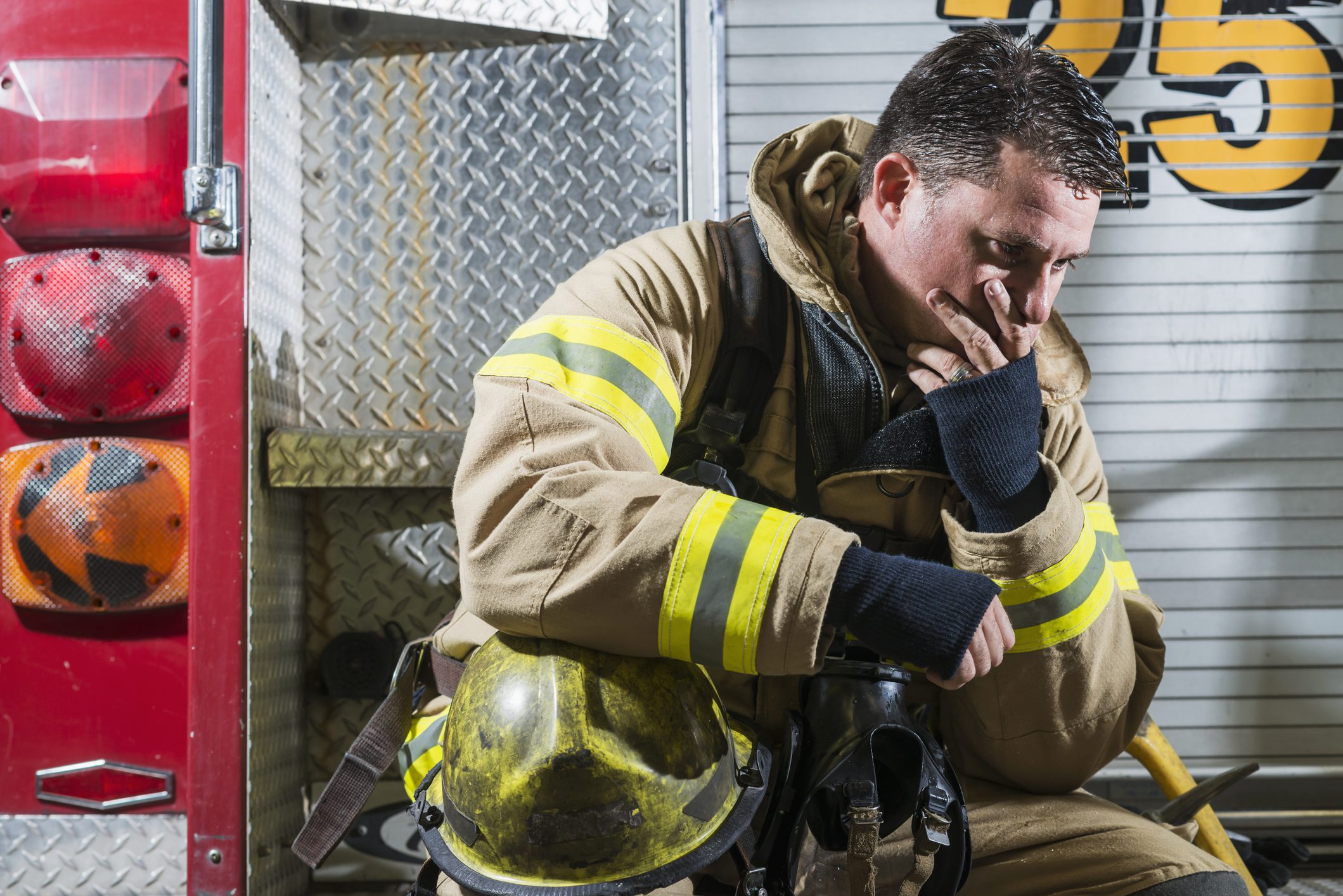
First responders often delay seeking mental health support because of a culture that prizes toughness, fear of professional consequences, and limited awareness of resources built for their experiences. Left unaddressed, job-related trauma can lead to PTSD, substance use issues, and a higher risk of suicide. Specialized, trauma-informed care, like the programs at Three Rivers Behavioral Health, can offer a path forward that respects both the job and the person behind the badge or uniform. Firefighters, police officers, paramedics and dispatchers witness things most people never will. Car accidents, fires, overdoses, and violence become part of a normal shift. Over time, that exposure can leave a mark, even on the most seasoned professionals. Despite how common these experiences are, many first responders hesitate to reach out for support. The reasons aren’t simple, and they aren’t a reflection of weakness. They’re shaped by a culture that often equates silence with strength and by real concerns about how seeking care might affect a career. Breaking that silence matters. When first responders get access to care built around their realities, they aren’t just protecting their own well-being. They’re protecting the people and communities counting on them to show up at their best.
Why do first responders avoid seeking mental healthcare?
A few patterns show up again and again when first responders talk about why they’ve put off getting support.
A “tough it out” culture: Many first responder departments have long valued resilience and self-reliance. That mindset can help in the field, but it can also make reaching out for care feel like it goes against the job description.
Fear of being seen as unfit for duty: Some first responders worry that admitting to a mental health concern, like anxiety or symptoms of a PTSD diagnosis, could affect their standing with supervisors or their ability to stay on the job.
Concerns about confidentiality: Questions about who will know, what gets documented and how peers might react can keep people from making that first call.
Limited awareness of resources: Not every first responder knows that first responder mental health resources exist that are built specifically around their work, from peer support groups to trauma-informed clinicians who understand what the job involves.
Stigma around mental illness and substance use: Broader social stigma around mental health concerns and substance use issues can make it harder to ask for help, even privately.
None of these barriers reflect a lack of courage. They reflect a system that hasn’t always made it easy to ask for support. Recognizing that is a starting point for change.
What happens when first responder trauma goes untreated?
Unaddressed job-related trauma doesn’t tend to stay contained. It can affect sleep, relationships, physical health and job performance over time. First responders face higher rates of PTSD, anxiety, depression and substance use issues than much of the general population, according to the Substance Abuse and Mental Health Services Administration. Firefighter PTSD, in particular, has drawn growing attention as departments recognize how repeated exposure to trauma on the job can build up over a career. Left unaddressed, these concerns can also increase the risk of burnout, strained relationships and suicide. They can affect how a first responder performs under pressure, which matters not only for their own health but for the safety of their team and the public they serve. The long-term effects don’t resolve on their own. But with the right care, they’re not permanent either.
What specialized treatment options exist for first responders?
First responders often respond best to care that’s shaped around their specific experiences, not a generic approach to mental health treatment.
- Trauma-informed care: Clinicians who understand the realities of first responder work, including shift schedules, chain of command and repeated exposure to crisis situations, can offer PTSD therapy for first responders that feels relevant rather than abstract.
- Peer support and group therapy: Connecting with others who’ve carried similar experiences can ease the isolation that often comes with this kind of work. Shared understanding can make it easier to open up.
- Evidence-based therapies: Cognitive Behavioral Therapy and medication management, where appropriate, are well-studied approaches for treating PTSD, depression and anxiety.
- TRICARE-aligned programs: Three Rivers Behavioral Health offers treatment programs for military members and first responders through TRICARE®, built around the realities of service-connected and job-related trauma.
- Convenient access to care: Level-of-care assessments can now be scheduled online, making it easier to take that first step without adding another barrier to an already full schedule.
For a first responder weighing their options, the right level of care depends on the severity of symptoms and how much support is needed day to day. Someone managing mild anxiety might benefit most from outpatient therapy and peer support, while someone experiencing a PTSD diagnosis alongside a substance use issue may need a more structured inpatient program to start.

How can departments and agencies support their people?
Breaking the stigma around mental health concerns isn’t only on the person in crisis. Departments and agencies play a role too.
- Normalize the conversation: Regular, open conversations about mental health, not just during a crisis, can shift the culture over time.
- Share information about resources: Many first responders simply don’t know what’s available to them until someone points them in the right direction.
- Support peer networks: Mentorship and peer support programs give people a low-pressure way to connect before they’re ready for formal treatment.
- Partner with specialized providers: Working with behavioral health providers who understand first responder trauma services helps close the gap between awareness and access.
- Lead by example: When leadership models seeking help when needed, it sends a clear signal that doing so isn’t a weakness.
Breaking the stigma is a shared effort
Changing the culture around first responder mental health doesn’t happen with one policy or one conversation. It happens through consistent, visible change: recovery stories shared without shame, leaders who speak openly about their own care and departments that build pathways to treatment without career repercussions. Seeking help is a sign of self-awareness, not failure. First responders who reach out for care are doing exactly what they’d encourage anyone else to do when something isn’t working.
Frequently asked questions
Is it normal for first responders to need mental health support?
Yes. Given the nature of the work, PTSD, anxiety and depression are common among first responders. Needing support doesn’t reflect poorly on someone’s ability to do their job.
Will seeking treatment affect a first responder’s career?
Confidentiality protections and specialized programs are designed to reduce this concern. Talking with a provider familiar with first responder work can help clarify what documentation and reporting look like before starting treatment.
What’s the difference between inpatient and outpatient care for first responders?
Inpatient care offers a structured environment for more severe symptoms or co-occurring substance use issues, while outpatient care allows someone to continue working and living at home while attending scheduled sessions.
Are there treatment options for first responders who also serve in the military?
Yes. Three Rivers Behavioral Health offers TRICARE-aligned programs for military members and first responders that address trauma connected to both service and the demands of their civilian roles.
How does someone get started with a mental health assessment?
A level-of-care assessment can be scheduled online, offering a straightforward first step toward understanding what kind of support might help most.
Moving toward a better tomorrow
First responders give so much to their communities. They deserve access to care that understands what that giving truly costs, without judgment and without unnecessary barriers. Breaking the stigma starts with awareness, continues with education and becomes real when treatment is within reach. If you’re ready to talk through your options, you don’t have to sort it out by yourself. Call Three Rivers Behavioral Health at 803-796-9911, or visit our website to take the next step toward the level of care that fits your life.
About Three Rivers Behavioral Health
Three Rivers Behavioral Health is a mental health facility that offers inpatient and outpatient services. Located in West Columbia, South Carolina we focus on providing treatment options for adolescents and adults who struggle with psychiatric problems and/or seek help for addictive disease recovery. We believe that all of our patients are people with the potential to have better relationships and live more productive lives. We also understand that our patients may need differing levels of care at various stages of life.
Some of our core values include compassion, accountability and integrity. This is why we strive to be a customer-focused organization staffed by highly trained professionals who are empathetic and dedicated to patients, families and the communities we serve. Some of the programs we offer to execute these traits are our adolescent behavioral health program, adult behavioral health programs and more.
To learn more about our facility, schedule a no-cost assessment or for more information, please call 803-796-9911.