Signs of Bipolar Disorder in Teens
May 19, 2025
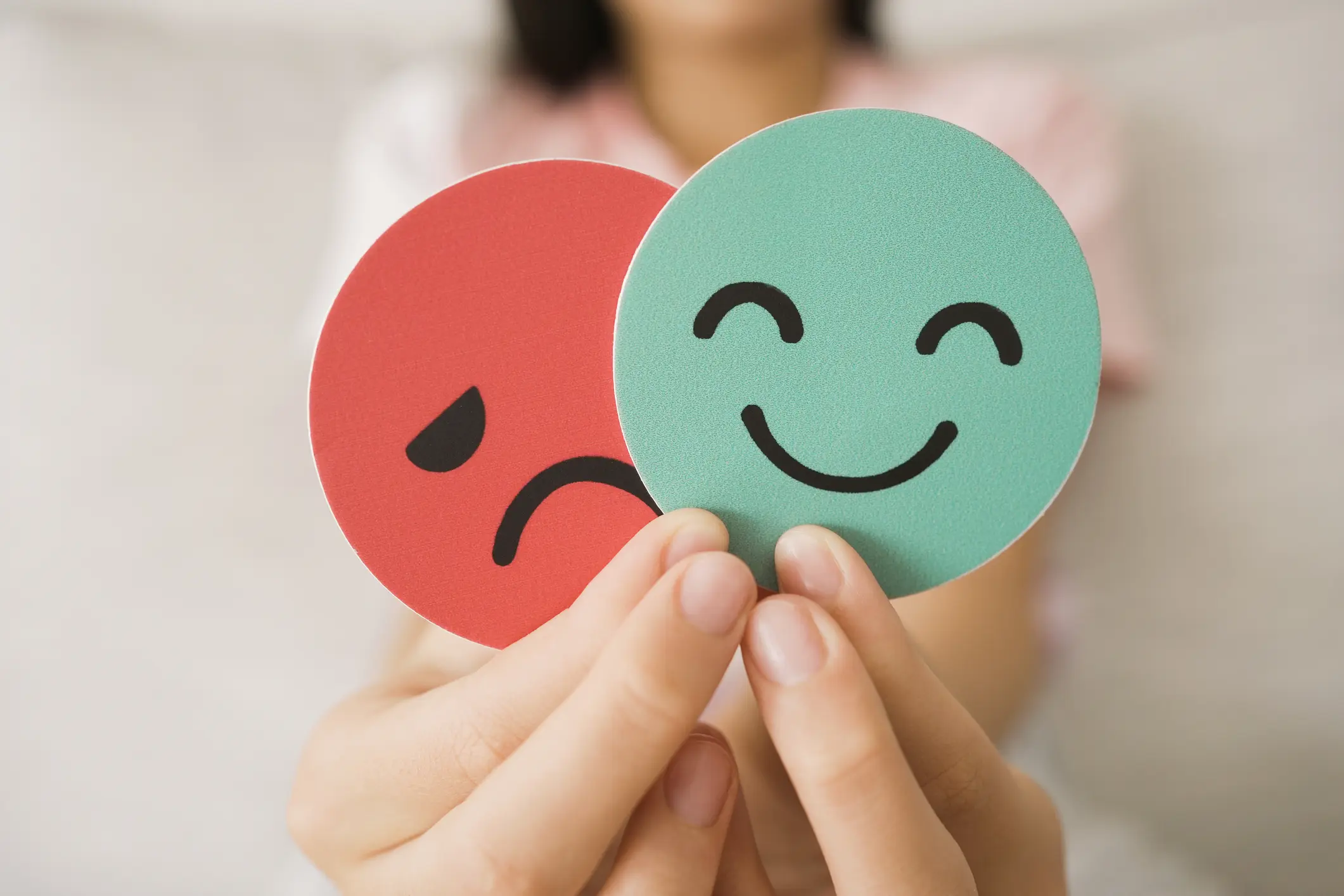
Understanding the signs of bipolar disorder in teens can lead to early intervention and effective management. Bipolar disorder, also known as manic-depressive illness, is a mental health condition that causes extreme mood swings, including emotional highs (mania or hypomania) and lows (depression).
Recognizing these signs early can help in seeking appropriate treatment and support, ultimately improving the quality of life for affected teens and their families.
What is Bipolar Disorder in Adolescence?
Bipolar disorder in adolescence presents various challenges. Teenage years are already marked by emotional and physical changes, which can sometimes mask or mimic the symptoms of bipolar disorder.
Types of Bipolar Disorder
There are several types of bipolar disorder, each with its own pattern of symptoms:
- Bipolar I Disorder: Characterized by manic episodes that last at least seven days, or by manic symptoms that are so severe that immediate hospital care is needed. Usually, depressive episodes occur as well, typically lasting at least two weeks.
- Bipolar II Disorder: Defined by a pattern of depressive episodes and hypomanic episodes, which are less severe than the manic episodes in Bipolar I.
- Cyclothymic Disorder: Numerous periods of hypomanic symptoms as well as periods of depressive symptoms lasting for at least two years (one year in children and adolescents) that are less severe than full-blown hypomanic or depressive episodes.
- Other Specified and Unspecified Bipolar and Related Disorders: Symptoms of bipolar disorder that do not match the three categories listed above.
What Causes Bipolar Disorder?
The exact cause of bipolar disorder is unknown, but several factors may contribute, including:
- Genetics: Bipolar disorder tends to run in families. Teens with a parent or sibling who has bipolar disorder are more likely to develop the condition.
- Biological Differences: People with bipolar disorder appear to have physical changes in their brains, though the significance of these changes is still uncertain.
- Environmental Factors: Stress, abuse, significant loss, or other traumatic experiences can trigger or worsen the condition.
Signs of Bipolar Disorder in Teens
Identifying bipolar disorder in teens can be challenging, but there are key signs to watch for:
Manic/Hypomanic Episodes
- Increased Energy: Teens may display unusually high energy levels, often engaging in multiple activities simultaneously without feeling tired.
- Euphoric Mood: An overly joyful or excited state that is out of proportion with the situation.
- Decreased Need for Sleep: Sleeping less than usual and not feeling tired.
- Racing Thoughts: Rapidly shifting ideas or feeling like thoughts are out of control.
- Risky Behaviors: Engaging in reckless activities without considering the consequences, such as spending sprees, unprotected sex or substance abuse.
Depressive Episodes
- Persistent Sadness: A prolonged period of feeling sad, empty or hopeless
- Loss of Interest: Lack of interest in activities once enjoyed, including withdrawal from friends and family
- Fatigue: Extreme tiredness or lack of energy, even after adequate sleep
- Changes in Appetite or Weight: Significant weight loss or gain or changes in eating habits
- Thoughts of Death or Suicide: Frequent thoughts about dying or suicidal ideation, which requires immediate attention
Mixed Episodes
Teens may also experience mixed episodes, where symptoms of both mania and depression occur simultaneously, leading to confusion and distress.
How to Help Someone with Bipolar Disorder
Helping a teen with bipolar disorder involves a combination of support, understanding and professional treatment:
Encouraging Professional Help
Encourage the teen to seek help from mental health professionals who can provide a comprehensive evaluation and diagnosis. Treatment may involve medication, psychotherapy or a combination of both.
Building a Support System
Create a supportive environment at home and encourage open communication. Family therapy can also be beneficial in understanding the disorder and learning coping strategies.
Monitoring Symptoms
Keep track of mood changes and behaviors to help identify patterns or triggers. This information can be valuable for healthcare providers in adjusting treatment plans.
Educating Yourself and Others
Understanding bipolar disorder can help reduce stigma and misconceptions. Educate yourself and others about the condition to foster empathy and support.
Promoting Healthy Lifestyle Choices
Encourage regular exercise, a healthy diet and sufficient sleep. These lifestyle changes can help stabilize mood swings and improve overall well-being.
Treatment for Bipolar Disorder
Treatment for bipolar disorder in teens typically involves a combination of medication and therapy:
Medication
Medications such as mood stabilizers, antipsychotics and antidepressants may be prescribed to help manage symptoms. It’s important for teens to take medications as directed and to communicate any side effects to their healthcare provider.
Psychotherapy
Therapeutic approaches like cognitive-behavioral therapy (CBT) can help teens understand their condition, develop coping strategies and improve communication skills. Family therapy can also improve understanding and support within the family unit.
Lifestyle Adjustments
Implementing structured routines, stress management techniques and avoiding substances like alcohol and drugs are crucial components of managing bipolar disorder.
Help for Bipolar Disorder is Here
Recognizing the signs of bipolar disorder in teens is the first step towards getting the necessary help and support. With the right treatment plan, teens can lead fulfilling lives and manage their symptoms effectively.
At Three Rivers Behavioral Health, we aim to help adolescent patients, ages 11-17, create new beginnings through compassionate, positive care in our therapeutic facility. Our Adolescent Behavioral Recovery program treats teens who are facing acute emotional, behavioral or psychiatric issues with the high degree of structure our patients need to succeed.
Learn more by giving us a call at 803-796-9911.
If you believe your teen is experiencing a mental health crisis, CALL 988 or seek the nearest emergency room.
For physical health emergencies, CALL 911 or get to the nearest emergency room.